
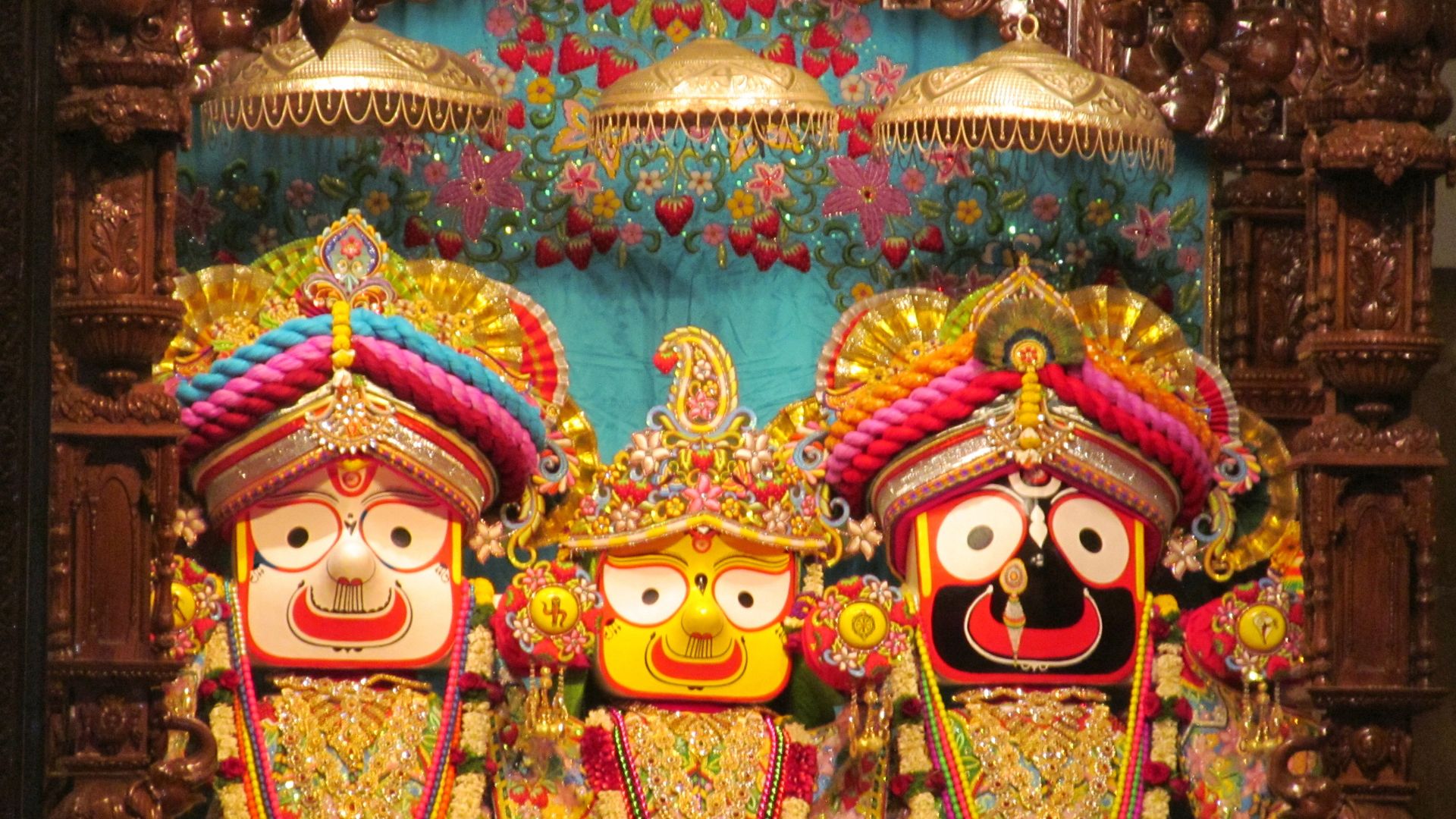
Rath Yatra is one of India’s oldest and most celebrated festivals, held every year in Puri, Odisha. Famous for the grand procession of Lord Jagannath, Lord Balabhadra, and Devi Subhadra on towering wooden chariots, the festival is a remarkable blend of faith, history, craftsmanship, and culture. From centuries-old rituals to unique traditions that cannot be found anywhere else, these interesting facts about Rath Yatra reveal why millions of devotees and visitors travel to Puri every year to witness this extraordinary celebration.
Why Is Rath Yatra Famous?
Rath Yatra is famous because it is the only time of the year when Lord Jagannath, Lord Balabhadra, and Devi Subhadra leave the Jagannath Temple and travel in a grand procession to the Gundicha Temple. The festival symbolizes equality, devotion, and inclusivity, allowing millions of devotees to seek blessings by witnessing and participating in the chariot procession.
A Festival Rooted in Centuries of Tradition
Rath Yatra is not just one of India’s largest religious festivals—it is also among its oldest. References to the festival can be found in ancient Hindu scriptures, including the Skanda Purana, Brahma Purana, and Padma Purana. Over the centuries, the traditions have been carefully preserved, making Rath Yatra a living example of Odisha’s rich cultural and spiritual heritage.
Today, the festival attracts millions of pilgrims, devotees, photographers, historians, and travellers from around the world, making Puri one of the most visited pilgrimage destinations during this time.
Read more: https://chanakyahotels.com/a-complete-guide-to-jagannath-puri-rath-yatra/
Ancient Traditions That Make Rath Yatra Unique
Every aspect of Rath Yatra follows customs that have been passed down through generations. From building the chariots to carving the deities, these traditions continue to preserve the festival’s authenticity.
1. The Chariots Are Built From Scratch Every Year
Unlike most religious processions, Rath Yatra features three brand-new wooden chariots every year.
The three chariots are:
- Nandighosa – Lord Jagannath
- Taladhwaja – Lord Balabhadra
- Darpadalana (Devadalana) – Devi Subhadra
Construction begins months before the festival using specially selected sacred wood. Skilled hereditary artisans follow traditional techniques that have remained unchanged for centuries, making the construction itself an important religious ritual.
2. Lord Jagannath’s Idol Is Made of Sacred Wood
Another fascinating fact is that the deities of Lord Jagannath, Lord Balabhadra, and Devi Subhadra are made from sacred neem wood, known as Daru Brahma.
Unlike most Hindu temples where idols are carved from stone or metal, the wooden deities of Jagannath are unique, reflecting one of the oldest traditions of the Jagannath culture.
3. Nabakalebara Is a Rare Sacred Ceremony
One of the most significant events associated with Jagannath culture is Nabakalebara, which takes place approximately every 12 to 19 years.
During this ceremony, the wooden idols are ceremonially replaced with newly carved ones created from specially selected sacred neem trees. The ritual symbolizes renewal while preserving the spiritual continuity of the deities.
Rituals That Symbolize Equality and Devotion
Beyond its grand chariots, Rath Yatra is known for rituals that emphasize humility, unity, and the belief that divine blessings are accessible to everyone.
4. The King of Puri Sweeps the Chariots
One of the most remarkable moments before the procession begins is the Chhera Pahanra ritual.
During this ceremony, the Gajapati Maharaja of Puri leaves behind his royal status and symbolically sweeps the chariots with a golden broom. This centuries-old ritual reminds devotees that everyone is equal before Lord Jagannath, regardless of wealth or social position.
5. Anyone Can Pull the Chariots
One of the defining features of Rath Yatra is that the ropes of the chariots are open to everyone.
Devotees from different regions, communities, and even countries join together to pull the massive chariots. This tradition beautifully reflects the festival’s message of unity, equality, and collective devotion.
6. Lord Jagannath Comes Out to Meet Everyone
Throughout the year, the deities remain inside the Jagannath Temple.
Rath Yatra is one of the few occasions when Lord Jagannath, Lord Balabhadra, and Devi Subhadra come out of the temple to bless devotees, including those who may not be able to enter the shrine. This unique tradition is why Rath Yatra is often regarded as a festival that welcomes everyone.
Lesser-Known Facts About Rath Yatra
While many people know about the famous chariot procession, several fascinating details make Rath Yatra even more extraordinary.
7. The Festival Continues With Bahuda Yatra
The celebrations do not end with the journey to the Gundicha Temple.
After staying there for several days, the deities return to the Jagannath Temple during Bahuda Yatra. The return journey is followed by Suna Besha, during which the deities are adorned with magnificent gold ornaments, creating one of the most spectacular moments of the festival.
8. Each Chariot Is Different
Every chariot has its own unique design, colours, guardians, and number of wheels.
| Chariot | Deity | Number of Wheels |
|---|---|---|
| Nandighosa | Lord Jagannath | 16 |
| Taladhwaja | Lord Balabhadra | 14 |
| Darpadalana | Devi Subhadra | 12 |
These carefully maintained differences highlight the individuality of each deity and the precision involved in preserving the festival’s traditions.
9. Thousands of Traditional Artisans Build the Chariots
Building the chariots is a massive collaborative effort.
Generations of hereditary carpenters, blacksmiths, painters, sculptors, and temple servitors work together for months before the festival. Their craftsmanship ensures that every detail follows long-established customs.
10. The English Word “Juggernaut” Originated From Jagannath
One of the most interesting historical facts is that the English word “juggernaut” comes from the name “Jagannath.”
Early European travellers described the enormous chariot procession as an unstoppable force, and the word gradually became part of the English language.
11. Rath Yatra Is Celebrated Around the World
Although Puri is home to the original Rath Yatra, the festival is now celebrated in many countries, including the United States, the United Kingdom, Canada, Australia, and several European nations.
These celebrations help preserve and promote the traditions of Lord Jagannath among communities across the globe.
12. Every Ritual Preserves Living Heritage
From selecting sacred wood to decorating the chariots and performing elaborate ceremonies, every stage of Rath Yatra follows traditions that have been passed down through generations.
This dedication to preserving centuries-old customs is one of the reasons Rath Yatra continues to inspire millions of devotees and visitors every year.
Did You Know?
Beyond the well-known rituals, Rath Yatra has several fascinating details that many visitors discover only after learning about its history.
- Each chariot has its own traditional flag, colour scheme, guardian deity, and horses.
- The ropes used to pull the chariots are considered sacred by devotees.
- Millions of people gather in Puri every year, making Rath Yatra one of the largest annual religious gatherings in the world.
- The festival showcases not only devotion but also Odisha’s rich tradition of craftsmanship, music, and temple culture.
Helpful Tips for First-Time Visitors
If you’re planning to witness Rath Yatra in Puri for the first time, preparing in advance can make your visit more enjoyable. As the city welcomes millions of visitors during the festival, a little planning helps you experience the celebrations comfortably.
- Arrive at least one or two days before the main procession.
- Book your accommodation well in advance, as hotels fill up quickly.
- Wear light, comfortable clothing and comfortable footwear.
- Stay hydrated and follow instructions issued by local authorities.
- Choose accommodation close to the city’s major attractions to reduce travel time during the festival.
- Keep your mobile phone charged and carry only essential belongings while visiting crowded areas.
Read More: https://chanakyahotels.com/what-is-the-best-time-to-visit-jagannath-temple/
Why Rath Yatra Continues to Inspire Millions
Rath Yatra has remained one of India’s most celebrated festivals for centuries because it brings together spirituality, history, art, and community in a truly unique way. From the annual construction of magnificent wooden chariots to timeless rituals such as Chhera Pahanra, Bahuda Yatra, Nabakalebara, and Suna Besha, every tradition reflects the enduring heritage of Lord Jagannath and the city of Puri. Whether you visit as a devotee, a cultural enthusiast, or a traveller, understanding these fascinating traditions helps you appreciate why Rath Yatra continues to captivate people from across the world.
Experience Rath Yatra with Chanakya BNR Puri
If you’re planning to experience the grandeur of the Rath Yatra in Puri, choosing accommodation near the city’s cultural landmarks can make your visit more convenient and enjoyable. Chanakya BNR Puri offers a comfortable stay with warm hospitality, allowing you to explore Puri’s rich heritage while enjoying easy access to the festival atmosphere. Book your stay in advance and make your Rath Yatra in Puri experience truly memorable.